
C++中隐含的 this 指针使用小结
作者:byte轻骑兵
在 C++ 的面向对象编程中,this指针是一个非常重要且独特的概念。它是一个隐含在每一个非静态成员函数中的指针,虽然在代码中通常不会显式地看到它,但它却在背后默默地发挥着关键作用。理解this指针的工作原理和使用场景,对于掌握 C++ 类和对象的高级编程技巧至关重要。
一、this指针的基本概念
1.1 this指针的诞生背景
当类的成员函数被调用时,编译器需要知道:
- 当前操作的是哪个对象的成员
- 如何区分成员变量与局部变量
this指针正是为此而生,它本质上是一个指向当前对象实例的常量指针(ClassName* const)。
1.2 什么是this指针
在 C++ 中,每个非静态成员函数都有一个隐含的参数,即this指针。它是一个指向调用该成员函数的对象的指针。也就是说,当调用一个对象的成员函数时,编译器会自动将该对象的地址作为this指针传递给成员函数。例如,有一个类MyClass,当调用obj.func()时,编译器会将obj的地址传递给func函数的this指针。
1.3this指针的类型
this指针的类型取决于成员函数的声明。对于普通的非const成员函数,this指针的类型是类名*;对于const成员函数,this指针的类型是const 类名*。意味着在const成员函数中,不能通过this指针修改对象的成员变量。
1.4this指针的作用
this指针主要有以下几个作用:
- 区分成员变量和局部变量:当成员变量和局部变量同名时,可以使用this指针来明确引用成员变量。
- 返回对象自身:在成员函数中可以返回*this,这样可以实现对象的链式调用。
- 在成员函数中访问对象的地址:可以通过this指针获取对象的地址,进行一些需要对象地址的操作。
1.5 内存布局验证
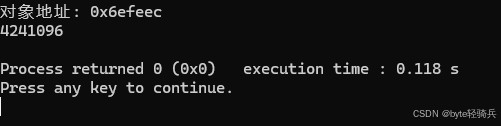
通过以下代码观察对象内存结构:
#include <iostream>
using namespace std;

class Test {
public:
    int a;
    void print() { cout << a << endl; }
};

int main() {
    Test obj;
    cout << "对象地址: " << &obj << endl;
    obj.print();  // 隐式传递this指针
    return 0;
}
成员函数实际接收的参数列表:
void print(Test* const this) {  // 编译器自动添加
    cout << this->a << endl;
}
二、this指针的使用示例
2.1 区分成员变量和局部变量
#include <iostream>
using namespace std;

class Person {
private:
    string name;
    int age;
public:
    Person(string name, int age) {
        this->name = name;
        this->age = age;
    }
    void displayInfo() {
        cout << "Name: " << this->name << ", Age: " << this->age << endl;
    }
};

int main() {
    Person p("Alice", 20);
    p.displayInfo();
    return 0;
}
构造函数的参数name和age与类的成员变量同名。为了区分它们,使用this->name和this->age来明确引用成员变量。
2.2 返回对象自身实现链式调用
#include <iostream>
using namespace std;

class Calculator {
private:
    int result;
public:
    Calculator() : result(0) {}
    Calculator& add(int num) {
        result += num;
        return *this;
    }
    Calculator& subtract(int num) {
        result -= num;
        return *this;
    }
    void displayResult() {
        cout << "Result: " << result << endl;
    }
};

int main() {
    Calculator calc;
    calc.add(5).subtract(3).displayResult();
    return 0;
}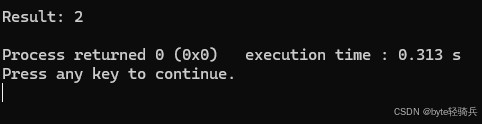
add和subtract函数都返回*this,这样就可以实现链式调用,连续对对象进行操作。
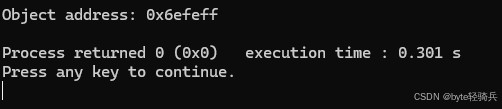
2.3 在成员函数中访问对象的地址
#include <iostream>
using namespace std;

class MyClass {
public:
    void printAddress() {
        cout << "Object address: " << this << endl;
    }
};

int main() {
    MyClass obj;
    obj.printAddress();
    return 0;
}
三、this指针与const成员函数
3.1const成员函数的特点
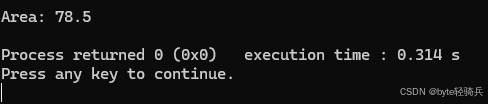
const成员函数是指在函数声明和定义的参数列表后面加上const关键字的成员函数。在const成员函数中,不能修改对象的成员变量,因为this指针的类型是const 类名*。例如:
#include <iostream>
using namespace std;

class Circle {
private:
    double radius;
public:
    Circle(double r) : radius(r) {}
    double getArea() const {
        // 不能修改radius,因为this指针是const类型
        return 3.14 * radius * radius;
    }
};

int main() {
    Circle c(5);
    cout << "Area: " << c.getArea() << endl;
    return 0;
}
3.2this指针在const成员函数中的限制
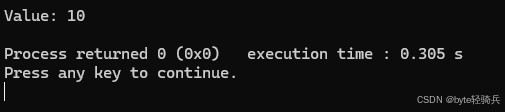
在const成员函数中,不能通过this指针调用非const成员函数,因为非const成员函数可能会修改对象的状态,这与const成员函数的定义相矛盾。例如:
#include <iostream>
using namespace std;

class MyClass {
private:
    int value;
public:
    MyClass(int v) : value(v) {}
    void modifyValue() {
        value++;
    }
    void printValue() const {
        // 下面这行代码会报错,因为不能在const成员函数中调用非const成员函数
        // this->modifyValue();
        cout << "Value: " << value << endl;
    }
};

int main() {
    MyClass obj(10);
    obj.printValue();
    return 0;
}
四、this指针在继承和多态中的应用
4.1 在继承中的应用
在继承关系中,this指针同样发挥着重要作用。当子类对象调用从父类继承来的成员函数时,this指针指向的是子类对象本身。例如:
#include <iostream>
using namespace std;

class Base {
public:
    void printAddress() {
        cout << "Base object address: " << this << endl;
    }
};

class Derived : public Base {
public:
    void printDerivedAddress() {
        cout << "Derived object address: " << this << endl;
    }
};

int main() {
    Derived d;
    d.printAddress();
    d.printDerivedAddress();
    return 0;
}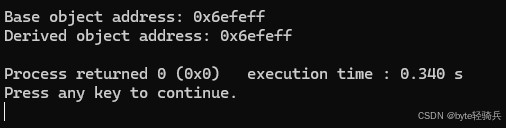
当调用d.printAddress()时,this指针指向的是Derived对象d。
4.2 在多态中的应用
在多态的场景下,通过基类指针或引用调用虚函数时,this指针也会根据实际对象的类型进行正确的指向。例如:
#include <iostream>
using namespace std;

class Shape {
public:
    virtual void draw() {
        cout << "Drawing a shape." << endl;
    }
};

class Circle : public Shape {
public:
    void draw() override {
        cout << "Drawing a circle." << this << endl;
    }
};

int main() {
    Shape* shapePtr = new Circle();
    shapePtr->draw();
    delete shapePtr;
    return 0;
}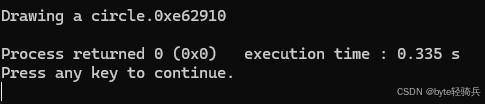
虽然shapePtr是Shape类型的指针,但它指向的是Circle对象,当调用draw函数时,this指针指向的是Circle对象。
五、this指针的注意事项
5.1this指针不能为空
this指针在成员函数中始终指向一个有效的对象,不能为nullptr。如果尝试在this指针为空的情况下调用成员函数,会导致未定义行为。例如:
#include <iostream>
using namespace std;

class MyClass {
public:
    void print() {
        cout << "Printing..." << endl;
    }
};

int main() {
    MyClass* objPtr = nullptr;
    // 下面这行代码会导致未定义行为
    // objPtr->print();
    return 0;
}
5.2this指针的生命周期
this指针的生命周期与调用成员函数的对象的生命周期相同。当对象被销毁时,this指针也就失去了意义。
六、常见错误与解决方案
6.1 空指针调用成员函数
class MyClass {
public:
    void method() { cout << "Method called" << endl; }
};

int main() {
    MyClass* p = nullptr;
    p->method();  // 未定义行为!
    return 0;
}
解决方案:
if(p != nullptr) {
    p->method();
}
6.2 静态成员函数误用this
class Logger {
public:
    static void log(const string& msg) {
        // 错误:静态成员函数没有this指针
        // cout << timestamp << ": " << msg << endl;
    }

private:
    static string timestamp;
};
正确做法:
class Logger {
public:
    static void log(const string& msg) {
        cout << getTimestamp() << ": " << msg << endl;
    }

private:
    static string getTimestamp() {
        return "Static timestamp";
    }
};
6.3 多线程中的this指针
class Worker {
public:
    void start() {
        thread([this](){  // 捕获this指针
            while(!stopFlag) {
                // 执行任务...
            }
        }).detach();
    }

    void stop() {
        stopFlag = true;
    }

private:
    atomic<bool> stopFlag{false};
};

// 使用示例
Worker worker;
worker.start();
// ...
worker.stop();
七、总结
this指针是 C++ 面向对象编程中一个隐含但非常重要的概念。它在成员函数中自动传递,帮助我们区分成员变量和局部变量、实现对象的链式调用、访问对象的地址等。同时,this指针在const成员函数、继承和多态中也有着特殊的应用和限制。理解this指针的工作原理和使用场景,能够更加深入地掌握 C++ 的面向对象编程技巧,编写出更加高效和健壮的代码。
到此这篇关于C++中隐含的 this 指针使用小结的文章就介绍到这了,更多相关C++ this指针内容请搜索脚本之家以前的文章或继续浏览下面的相关文章希望大家以后多多支持脚本之家!